One Year Later – disability benefits, HIV and the Timms Review
Last updated:Oluwakemi Agunbiade reflects on the impact of the Timms Review and potential changes in disability benefits for people living with HIV.
Oluwakemi Agunbiade reflects on the impact of the Timms Review and potential changes in disability benefits for people living with HIV.
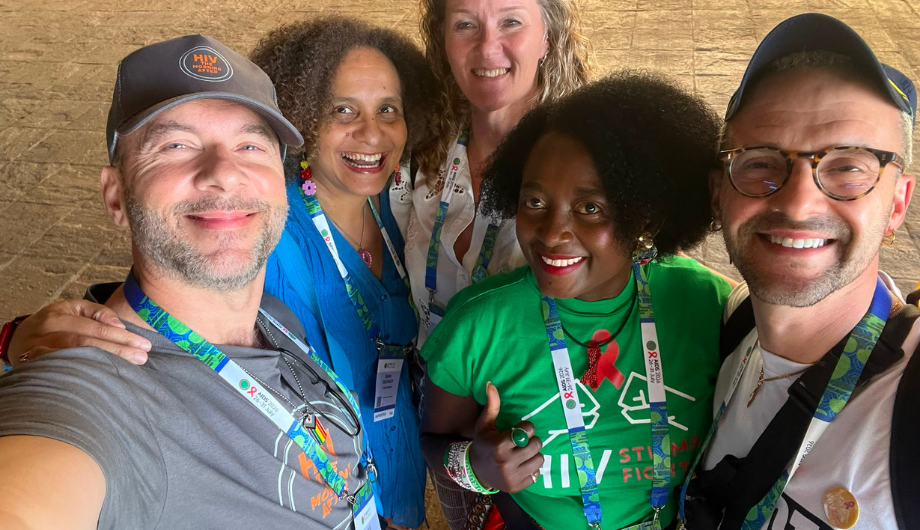
Dan Glass shares reflections from the International AIDS Conference 2026.
Annie Howard, HIV Confident Programme Manager, shares how HIV Confident is helping organisations turn awareness into action for Zero HIV Stigma Day.

This year marks 40 years since the start of the HIV epidemic in the UK. As we remember and celebrate the lives of those lost, we also mark the progress made over this time.

A guest blog by Michelle Ross to mark Transgender Awareness Week, celebrating the role trans people play in HIV activism.
Community guidance from UK-CAB (UK Community Advisory Board) and National AIDS Trust on the NICE decision on cabotegravir with riplivirine (long-acting injectibles)
Dr Alexander Margetts writes that although not everyone who’s living with HIV needs mental health support, services must be improved for those that need them.
Today is World Mental Health Day and this year’s theme - 'Mental Health in an Unequal World’ - is a fitting one. Like HIV, poor mental health can affect us all. Yet we know that its impact on different groups is not equal, instead reflecting wider social, economic and health inequalities.
Rebecca Mbewe shares that as a black migrant woman from Africa, I would like to delve a little deeper into the conversations around sexual health and perhaps what this means to black women like me living in the UK, this Black History Month.

Dr Tristan Barber writes that when patients are asked if they’ve ever had an HIV test many respond their GP did blood tests and they’re sure HIV must’ve been checked then. Most often they are incorrect.
People living with HIV that are held in immigration detention in the UK are entitled to the same level of healthcare and patient rights as those in wider society. Unfortunately, we know this does not always happen in practice.

Kat Smithson on how forty years after the first cases of HIV-related illnesses and deaths, knowledge and understanding of HIV among the public is often patchy and confused and significant levels of stigma and discrimination remain.