One Year Later – disability benefits, HIV and the Timms Review
Last updated:Oluwakemi Agunbiade reflects on the impact of the Timms Review and potential changes in disability benefits for people living with HIV.
Oluwakemi Agunbiade reflects on the impact of the Timms Review and potential changes in disability benefits for people living with HIV.
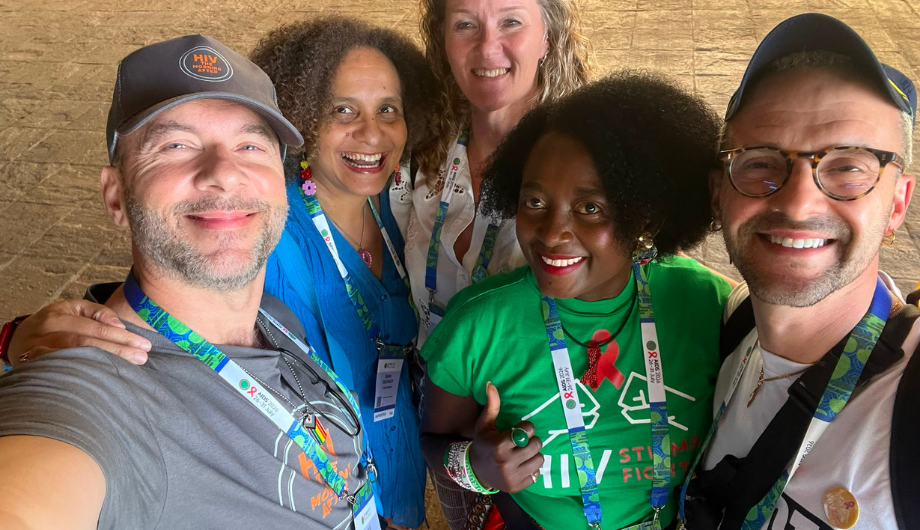
Dan Glass shares reflections from the International AIDS Conference 2026.
Annie Howard, HIV Confident Programme Manager, shares how HIV Confident is helping organisations turn awareness into action for Zero HIV Stigma Day.

In August the European Association for the Study of the Liver (EASL), added to the growing expert voice advocating for the decriminalisation of drug use, combined with public health promotion and harm reduction.
National AIDS Trust works to protect and defend human rights for everyone at risk of or living with HIV. We believe, alongside the WHO, that: “The enjoyment of the highest attainable standard of health is one of the fundamental rights of every human being”.
The delivery of healthcare is one way that COVID-19 has changed how we now do things. COVID-19 has resulted in the unplanned piloting of innovations in care delivery that can be learnt from, adapted, and built on to ensure optimal future care delivery.
The arrival of the COVID-19 pandemic earlier this year has brought much uncertainty but if this period has offered some clarity on one thing it’s that structural racism is alive and well in the UK.

This week saw the publication of a PHE review that describes a disproportionate impact of COVID-19 on BAME people in England, linked to wider socio-economic and health inequalities. HIV is one health issue driven by inequality.
Poor mental health is significantly more common among people living with HIV than the wider population. The need for adequate mental health services for people living with HIV is clear.
The urgency of this inquiry cannot be questioned considering the disproportionate suffering of people of colour from the pandemic.
This is World Immunization Week. As the number of deaths worldwide from COVID-19 moves closer to 200,000, the question on everyone’s mind is: when will we have access to a vaccination that can halt this virus?
Recommendations from FSRH, BHIVA and BASHH to ensure sexual and reproductive health and HIV services are able to enact COVID-19 contingency measures