One Year Later – disability benefits, HIV and the Timms Review
Last updated:Oluwakemi Agunbiade reflects on the impact of the Timms Review and potential changes in disability benefits for people living with HIV.
Oluwakemi Agunbiade reflects on the impact of the Timms Review and potential changes in disability benefits for people living with HIV.
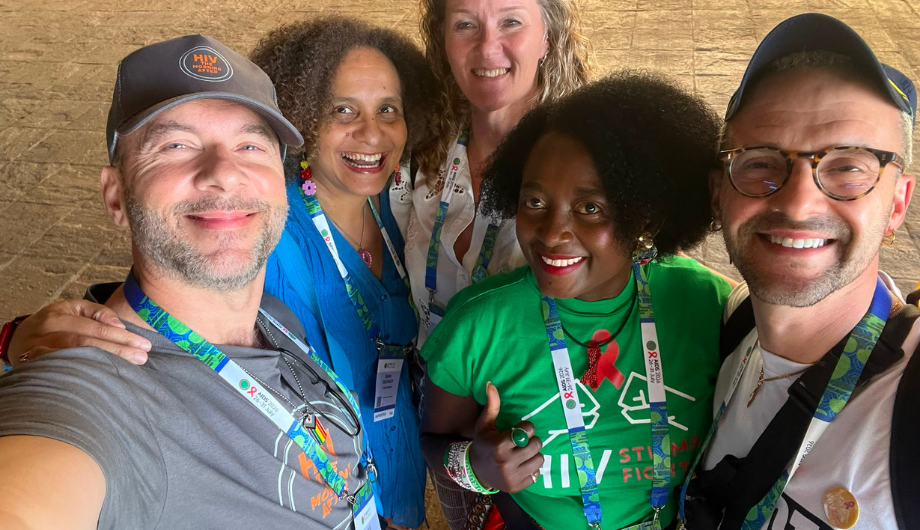
Dan Glass shares reflections from the International AIDS Conference 2026.
Annie Howard, HIV Confident Programme Manager, shares how HIV Confident is helping organisations turn awareness into action for Zero HIV Stigma Day.

HIV warnings on the Police National Computer (PNC) are not backed up by science or law.

Channel 4’s ground-breaking drama “It’s a Sin” shone a harrowing light on the failings of public institutions in the early days HIV. The stark depictions of the police responses to HIV and AIDS, based on real experiences, are particularly pertinent.
Our key concerns about how the new white paper will impact HIV prevention and treatment.

Professor Jane Anderson, Chair of National AIDS Trust, on how the TV drama series "It's A Sin" reminds us of just how far we’ve come and that there still remains much to be done.
The reaction to Channel 4’s groundbreaking drama "It’s a Sin" has been fascinating. Finally HIV is on the agenda.
Guy Duncan on the TV drama, "It's a Sin," set in the 1980s, reminding us of a time when young gay men were turned into something to fear.

Why it’s vital we amplify the voices of people with HIV on World AIDS Day
Today the HIV Commission final report was launched at an online event where it was responded to by not one but two Government Ministers, and received the backing of Labour leader, Sir Keir Starmer MP.
What is the Equality Act 2010? We look at it through the lens of HIV, ten years on.