One Year Later – disability benefits, HIV and the Timms Review
Last updated:Oluwakemi Agunbiade reflects on the impact of the Timms Review and potential changes in disability benefits for people living with HIV.
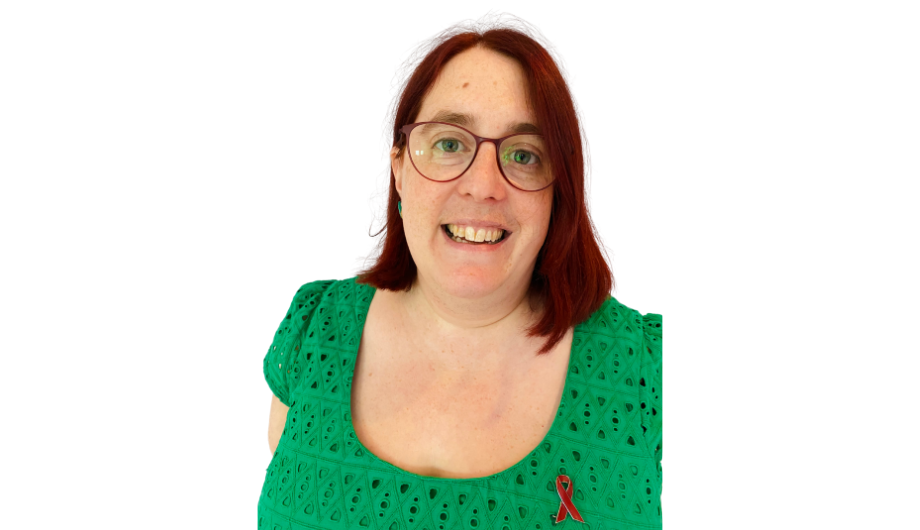
Oluwakemi Agunbiade reflects on the impact of the Timms Review and potential changes in disability benefits for people living with HIV.
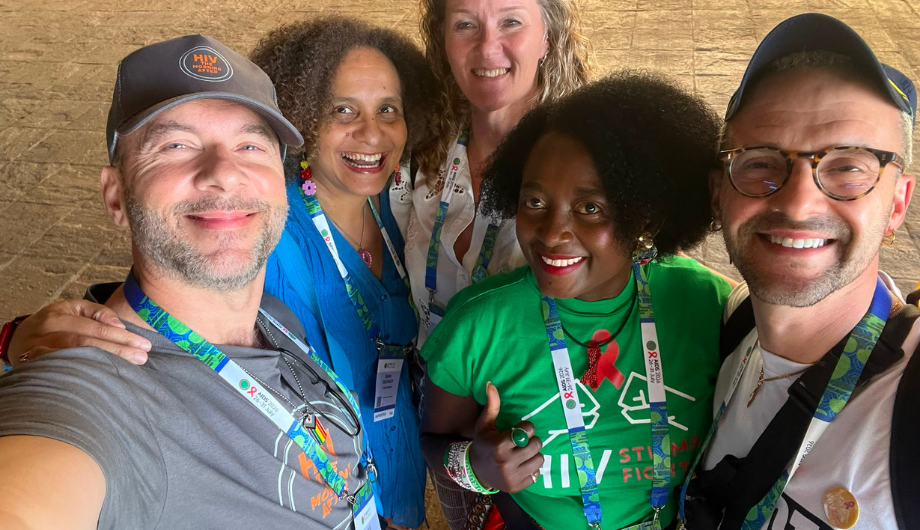
Dan Glass shares reflections from the International AIDS Conference 2026.
Annie Howard, HIV Confident Programme Manager, shares how HIV Confident is helping organisations turn awareness into action for Zero HIV Stigma Day.

This Black History Month, National AIDS Trust wishes to celebrate and champion the value of black leadership and representation to create impactful community change and address health inequality.
Scientific advances in HIV include the development of effective medications, self-tests, the discovery that people on effective treatment can’t pass HIV on, prevention tools and the emergence of long-acting injectable treatments.

Michelle, founder, Director of Holistic Wellbeing Services and training lead at CliniQ on why the barriers to PrEP access that are faced by trans people must be addressed.

Originally from Kenya, and a National AIDS Trust trustee, Angelina is experienced in providing one-to-one support, treatment advocacy, managing service delivery, and advocating for the involvement of women living with HIV in strategy and policy.

Jay Hawkridge is a HIV campaigner, a writer, vlogger and social media influencer who uses his platform to raise awareness about HIV and challenge stigma.

Marc Thompson is Director of The Love Tank; co-founder of PrEPster, and creator of the podcast We Were Always Here. He has been living with HIV since 1986.

To bring 2021 to a close, we've rounded up our highlights of the year. These successes wouldn't have been possible without your continued support, so we just want to say a big thank you to everyone who got involved with our work.

Dr Tristan Barber writes how last month, NICE approved the use of long-lasting injectable treatment for people living with HIV, the first alternative to daily oral pills. You can read our full blog on the announcement here.
This year marks 40 years since the start of the HIV epidemic in the UK. As we remember and celebrate the lives of those lost, we also mark the progress made over this time.