One Year Later – disability benefits, HIV and the Timms Review
Last updated:Oluwakemi Agunbiade reflects on the impact of the Timms Review and potential changes in disability benefits for people living with HIV.
Oluwakemi Agunbiade reflects on the impact of the Timms Review and potential changes in disability benefits for people living with HIV.
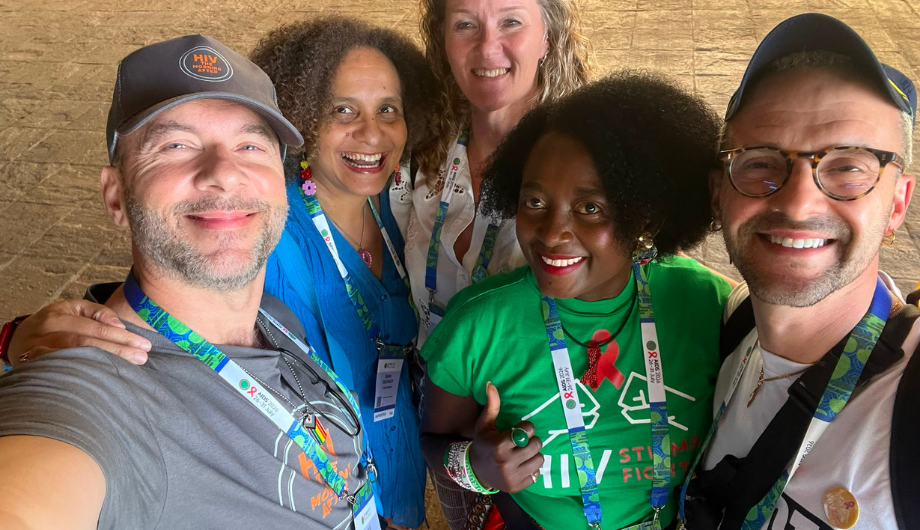
Dan Glass shares reflections from the International AIDS Conference 2026.
Annie Howard, HIV Confident Programme Manager, shares how HIV Confident is helping organisations turn awareness into action for Zero HIV Stigma Day.

Last year we welcomed the publication of the first report of Dame Carole Black’s independent review of drugs. Part two of the review, looking at prevention, treatment and recovery, was published last week.
As we approach a time when over half the UK population living with HIV will be over 50, the provision of care that responds to the needs of older people living with HIV will become an increasingly pressing issue.
Charity Nyirenda writes that migrants living with HIV must be involved in research and initiatives to understand and improve HIV health outcomes among people born abroad.
People born abroad in the UK are disproportionally affected by HIV but up until now, there has been no shared understanding of the policies and interventions needed to combat HIV in the context of migration.
Maurice Greenham speaks about living with HIV long-term as we mark 40 years since the first reported AIDS cases.
It has now been six months since the landmark HIV Commission report on ending new cases of HIV in England by 2030 was published with support from Terrence Higgins Trust, National AIDS Trust, and Elton John AIDS Foundation.

Today the Government announced rule changes that will allow more gay and bisexual men to donate blood in the UK. Kat Smithson explains how these changes affect the assessment that donors complete when they give blood.
Laura Waters on what's important for people living with, at risk of or affected by HIV, this World Immunization Week.

Deborah Gold on the Commission on Race and Ethnic Disparities' rejection of the existence and impacts of institutional and structural racism in the UK ignores evidence, real experiences, and defies logic.