One Year Later – disability benefits, HIV and the Timms Review
Last updated:Oluwakemi Agunbiade reflects on the impact of the Timms Review and potential changes in disability benefits for people living with HIV.
Oluwakemi Agunbiade reflects on the impact of the Timms Review and potential changes in disability benefits for people living with HIV.
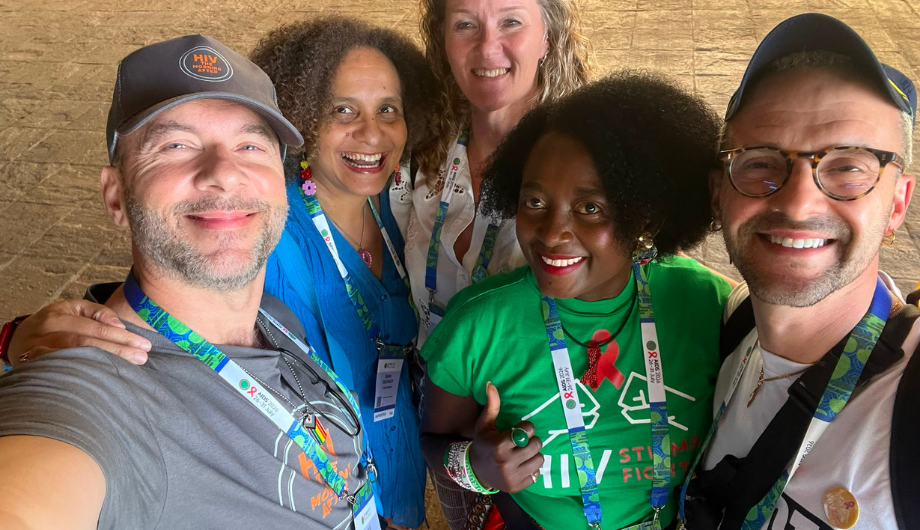
Dan Glass shares reflections from the International AIDS Conference 2026.
Annie Howard, HIV Confident Programme Manager, shares how HIV Confident is helping organisations turn awareness into action for Zero HIV Stigma Day.

A new paper published in Eurosurveillance today finds that there has been substantial progress towards achieving the global UNAIDS targets across Europe and Central Asia. Despite this, an estimated 1.2 million people living with HIV still have transmissible levels of the virus because they have been unable to access prevention methods, testing or treatment for HIV. This paper is the first output of nearly two years’ work by NAT as part of the Dublin Declaration monitoring team.
One of our strongest and most longstanding partnerships has been with M·A·C Cosmetics, who as well as stocking our red ribbons on every one of their counters in the UK, have funded much of our work over the last 15 years. To mark 15 years of our partnership, we’re looking back at how M·A·C have led the way in showing how businesses can make a real difference to the lives of people living with HIV/AIDS, tackle stigma and discrimination, and help to end new transmissions.
This is a guest blog for NAT from Silvia Petretti, joint CEO at Positively UK. Visit the Changing Perceptions website here.

NAT hit Amsterdam 23-27 July 2018 for AIDS2018. This was my first foray into the hotpot of activism and energy that is the International AIDS Conference. It did not disappoint and I’m still absorbing much of it, but here are some of my key take-aways…
In 2015, an HIV outbreak was detected amongst people who inject drugs (PWIDs) in Glasgow. Three years on the outbreak has still not been controlled, and over 100 PWIDs in Scotland have been diagnosed with HIV. Those diagnosed have complex needs and experience severe social exclusion, with 40% having a history of incarceration and 45% reported ever being homeless.
Do we have PrEP in England? Well, yes and no. We have the PrEP Impact trial which currently has 10,000 places available for PrEP in sexual health clinics across the country. The study is being paid for by NHS England, which is a great step forward from where we were two years ago. Back then, the NHS were insisting that they didn’t have the powers to pay for PrEP. NAT had to take the NHS to court to convince them otherwise.
This week, a vitally important report has been published – entitled ‘Women and HIV: Invisible No Longer’, the report is the culmination of a one year research project conducted by Sophia Forum and Terrence Higgins Trust into the needs of women affected by HIV.
World Health Day, organised by the World Health Organisation, is a global awareness day celebrated on 7th April each year to draw attention to a subject of importance to global health. This year the theme is universal health coverage.