One Year Later – disability benefits, HIV and the Timms Review
Last updated:Oluwakemi Agunbiade reflects on the impact of the Timms Review and potential changes in disability benefits for people living with HIV.
Oluwakemi Agunbiade reflects on the impact of the Timms Review and potential changes in disability benefits for people living with HIV.
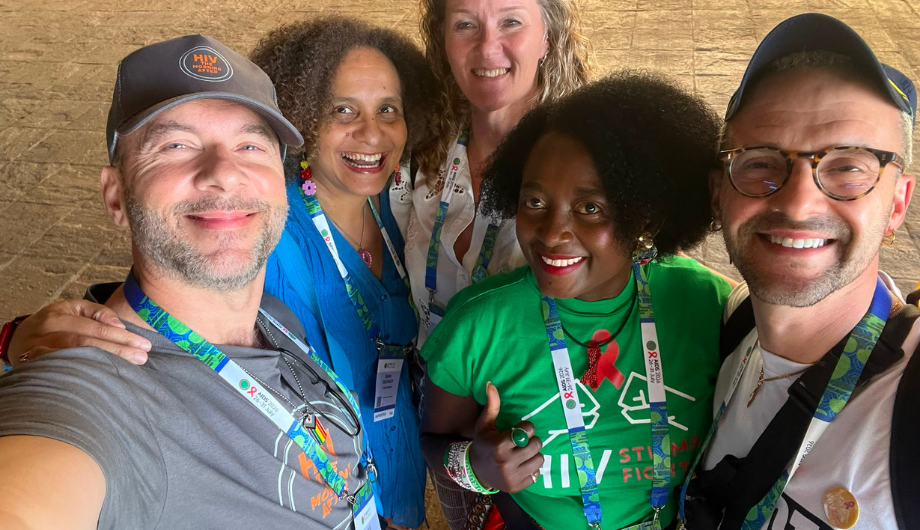
Dan Glass shares reflections from the International AIDS Conference 2026.
Annie Howard, HIV Confident Programme Manager, shares how HIV Confident is helping organisations turn awareness into action for Zero HIV Stigma Day.


Last week we published the results of a nationwide survey of young men who are attracted to other men. The results are stark and telling of the current situation which many young gay men find themselves in: bullied at school; a curriculum which does not or did not meet their needs; and a poor understanding of HIV. All these factors add up to a fertile environment for HIV transmission-risk behavior.
Last year saw a record number of gay and bisexual men diagnosed with HIV in the UK. 1 in 17 gay men aged 15-59 are now living with HIV, rising to 1 in 8 in London. This compares to 1 in 360 of the UK population as a whole.
In September 2014 we joined forces with QX magazine on an open letter to political leaders in the calling for: ‘All political parties to commit to age-appropriate SRE which includes content on same-sex relationships.’
NHS England is now looking at making changes to how 'specialised services' like HIV are commissioned. Depending on the approach they take, it could amount to what is effectively another restructure of the current system - but they aren't giving a lot of details.
In the four years since the abolition of Disability Living Allowance (DLA) was first proposed by the Government, I have heard a cacophony of concern from people living with HIV, HIV doctors and HIV support organisations.
Last week nearly 1500 people wrote to the Minister for Public Health, Jane Ellison, successfully gaining a reversal of the decision to cut the national HIV prevention programme by 50%.
Treatment for HIV involves combining drugs from three different classes of anti-retroviral (ARVs) and there are single pill regimens that contain such combinations. Pills which only have to be taken with one or two others, and only once a day, are also available and are popular.